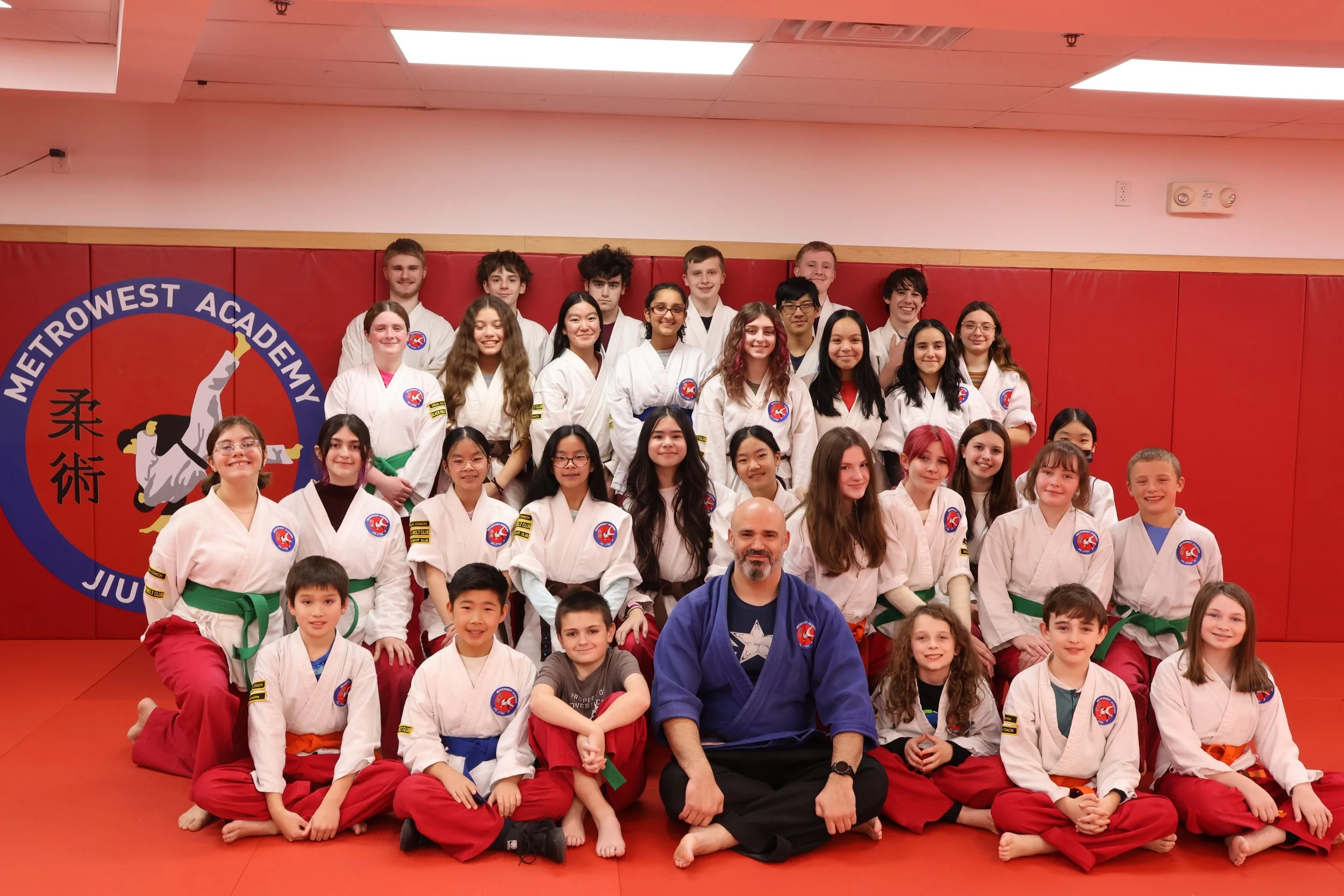
Learning to lead, one class at a time.
A year-long program that teaches our Kids and Juniors students how to lead, on the mat and off it.
What It Is
A structured leadership curriculum.
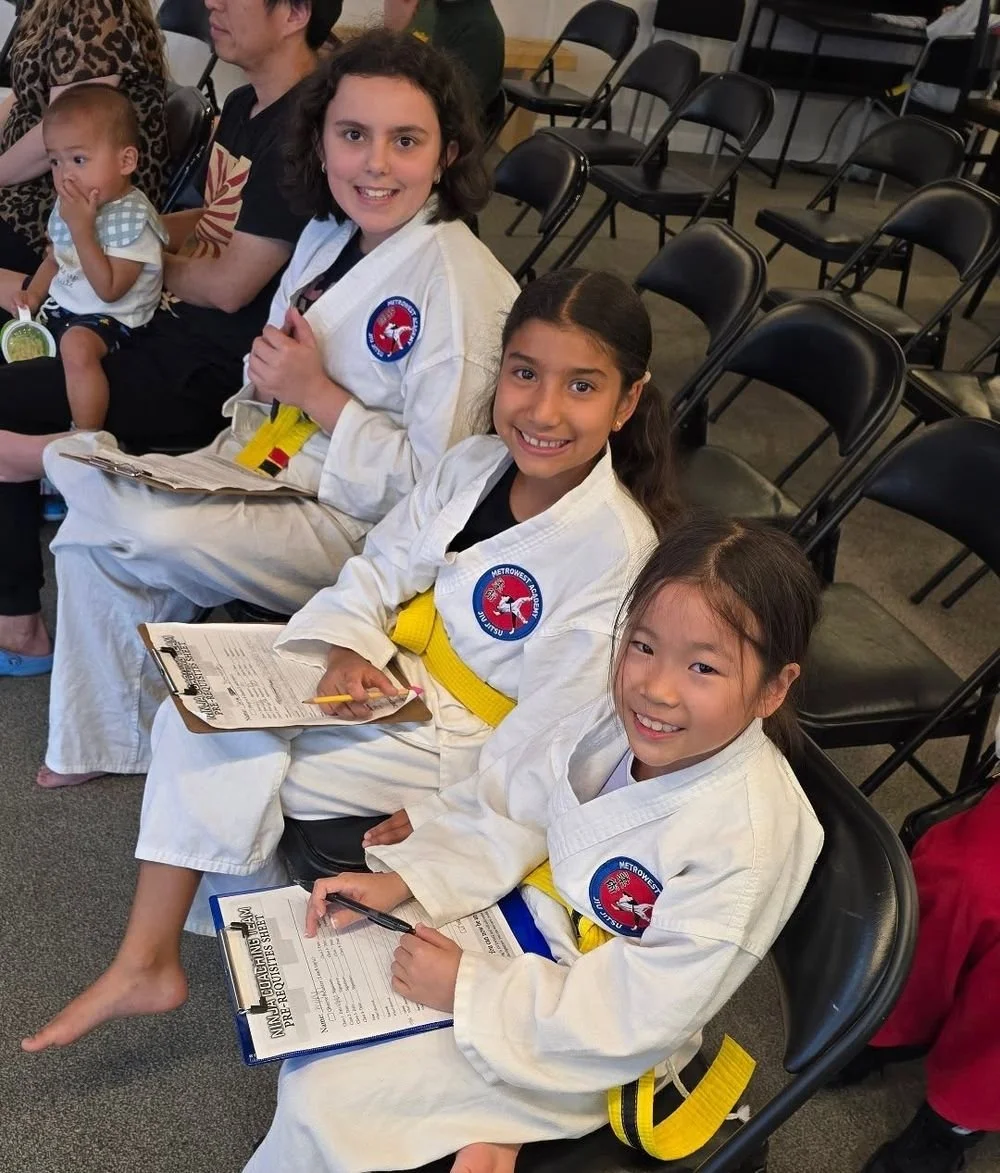
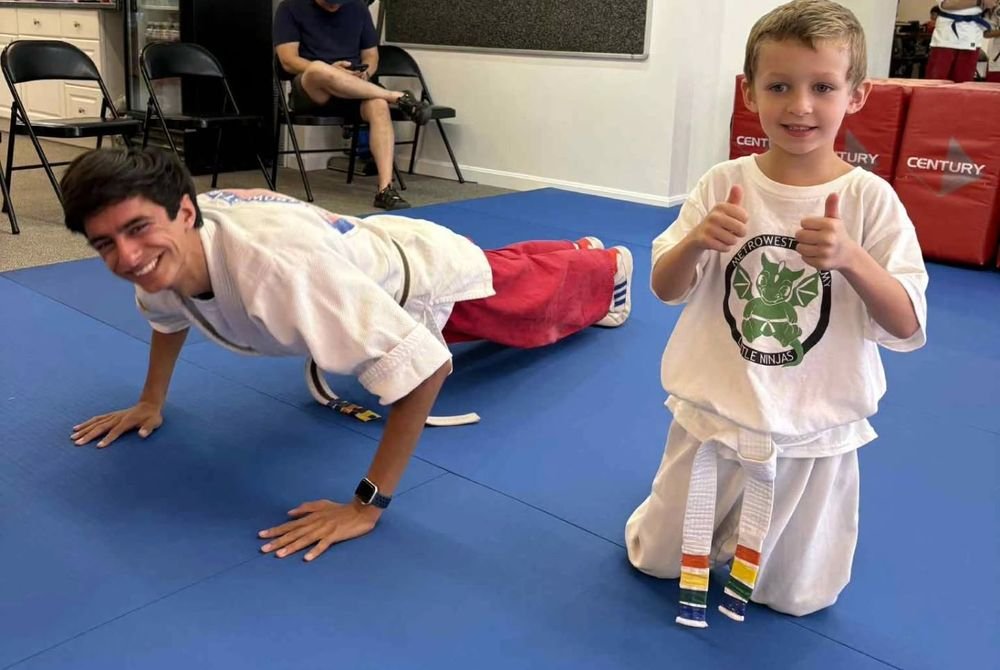
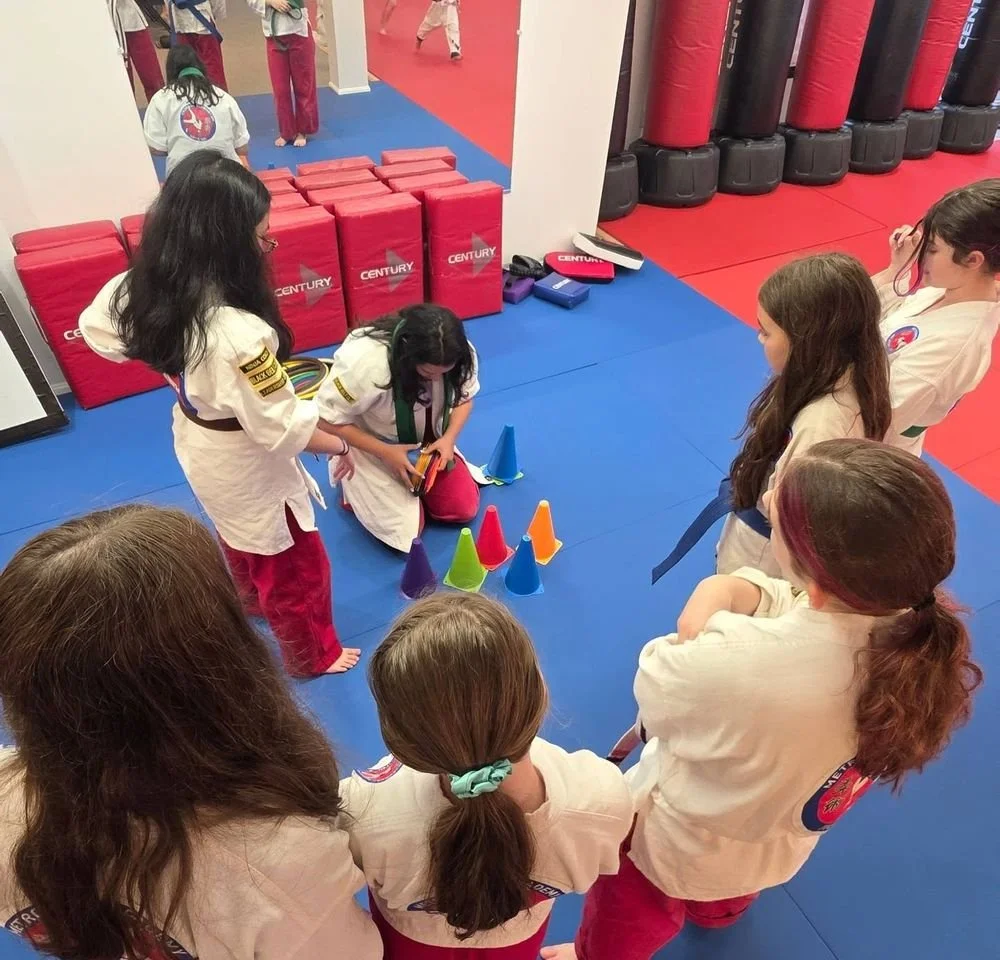
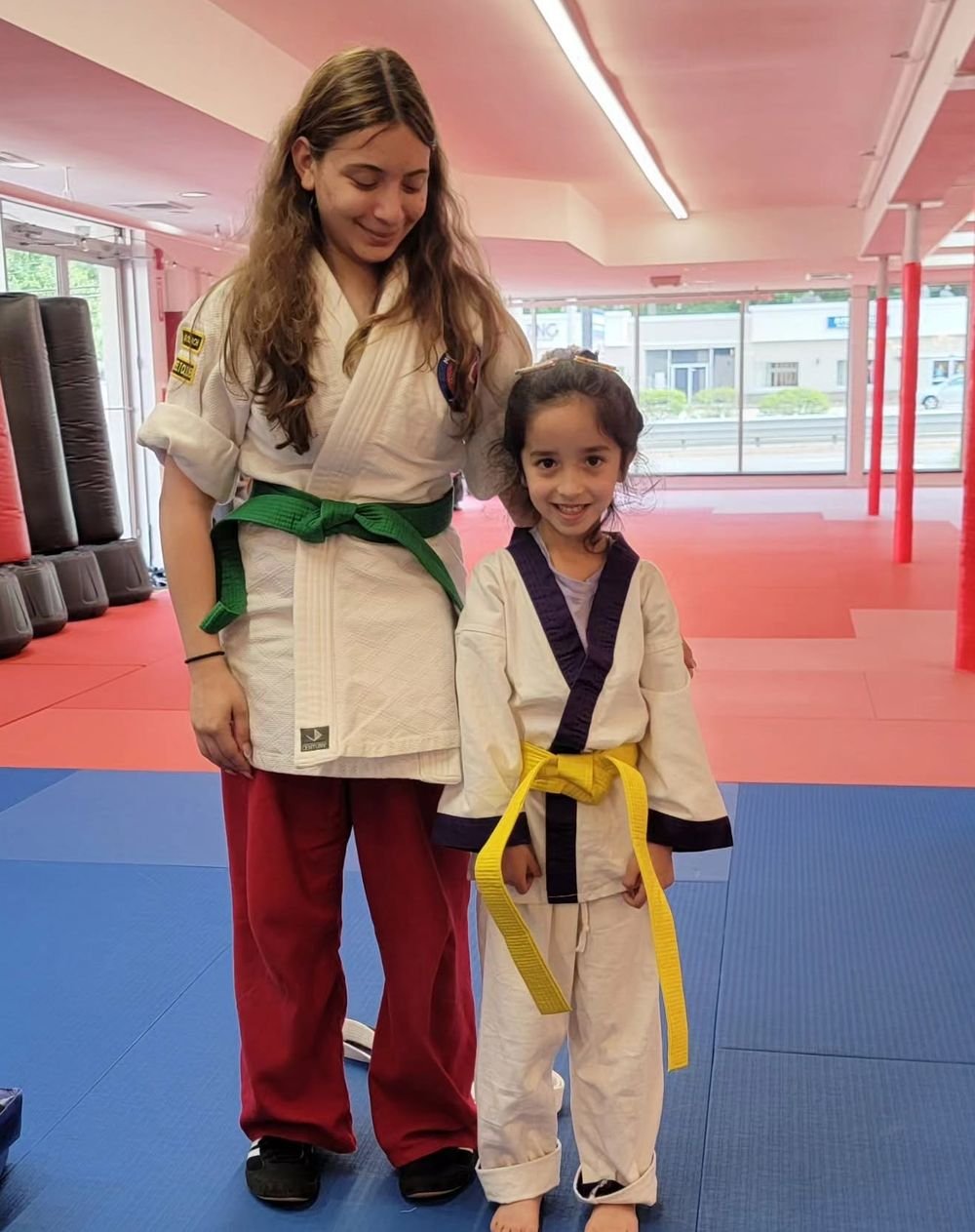
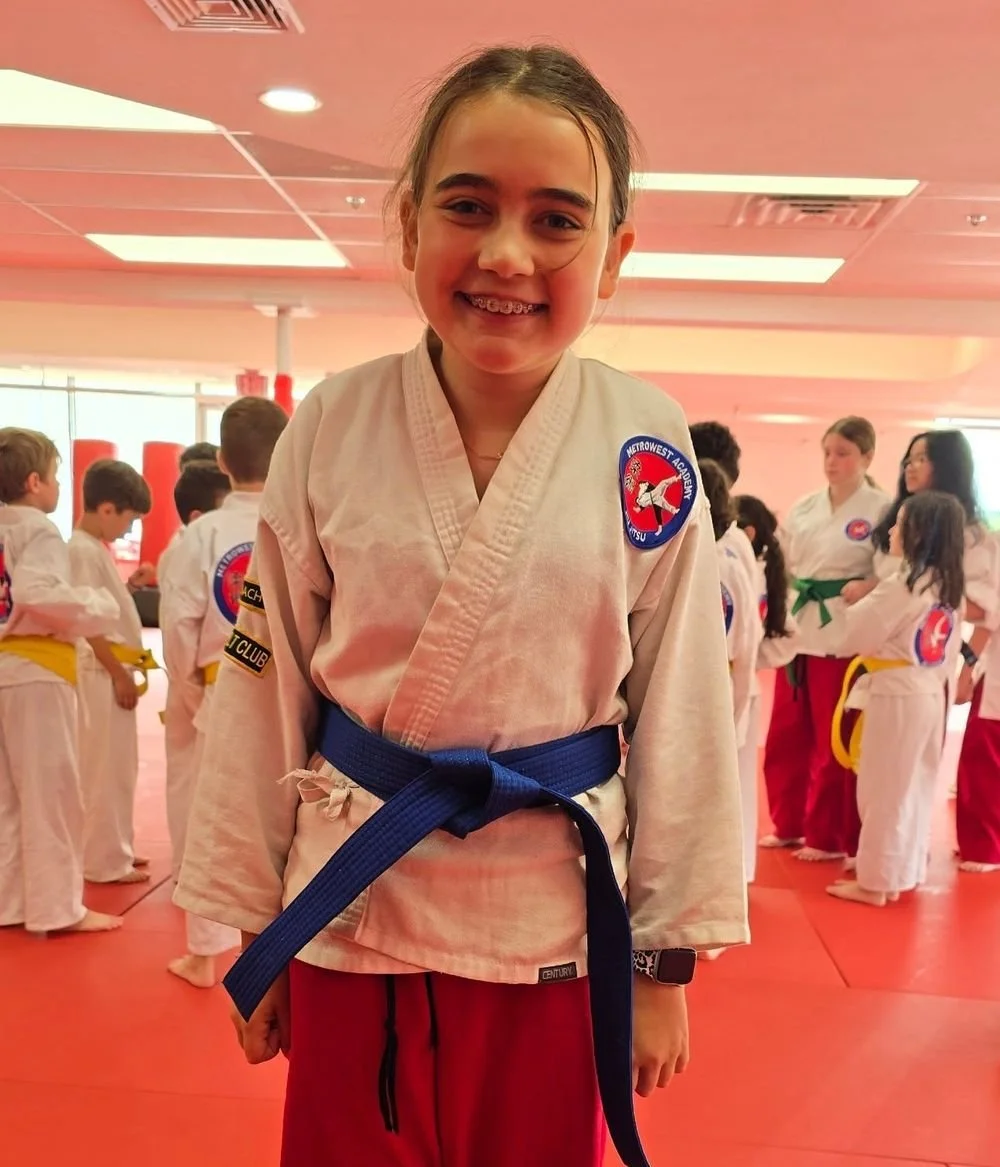
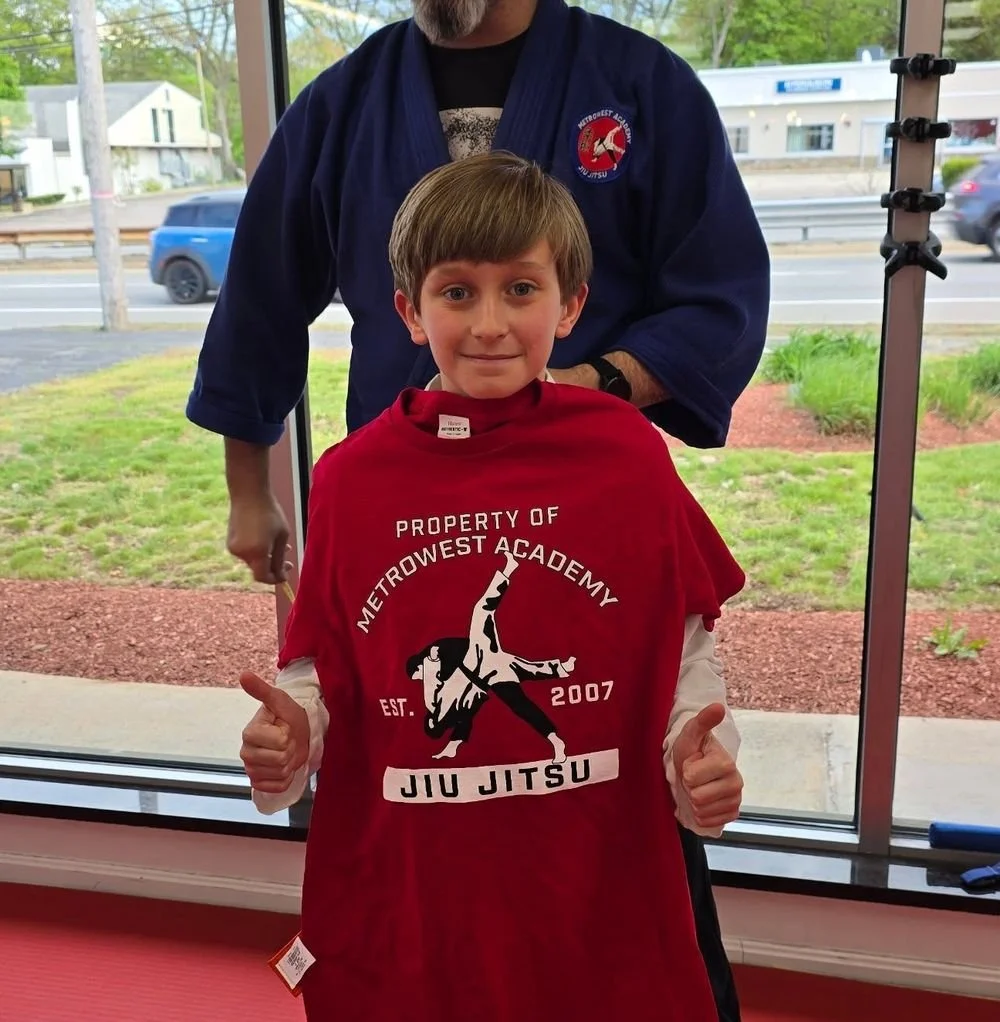
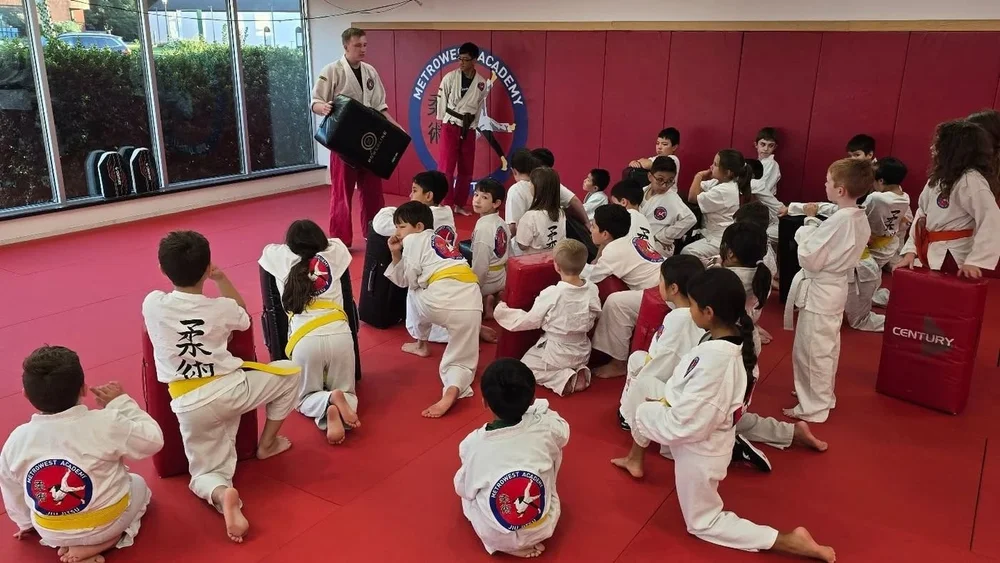
Leadership Team students help with warmups and younger classes as part of the program.
The 50-week curriculum covers teaching, communication, reading a room, and taking responsibility when nobody is watching.
Leadership Team trains Tuesday evenings, on top of regular classes. The students in it are the ones you see running warmups, working with the Little Ninjas, and setting the tone for everyone else in the building.
Level One
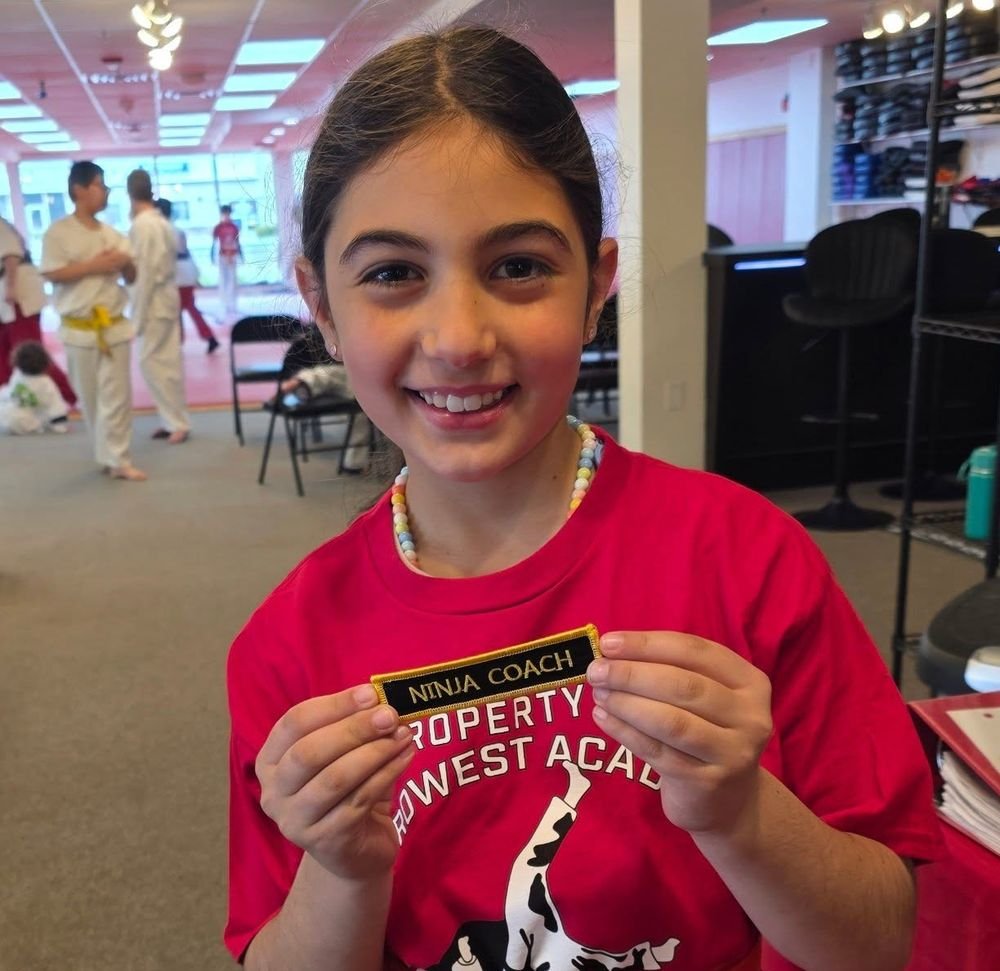
Ninja Coach
Where leadership starts: helping run our Little Ninjas classes. Holding pads, demonstrating, cheering on the youngest students, and discovering that teaching is the fastest way to learn.
Level Two
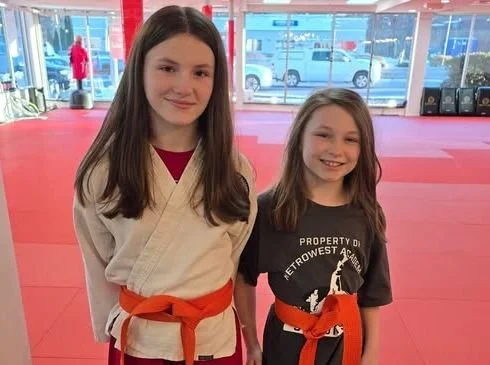
Apprentice
The fundamentals of leading people. Listening, empathy, body language, giving feedback that actually helps, and the self-discipline to show up prepared.
Level Three
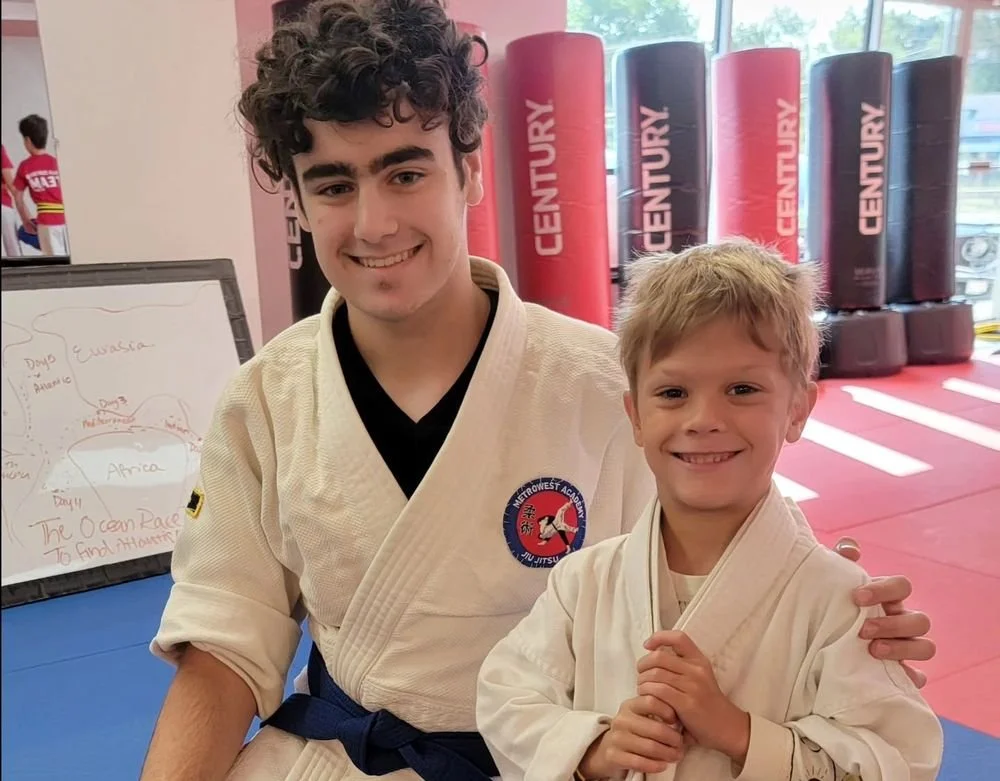
Senior
After completing Apprentice, Senior students study the same subjects in greater depth through research, case studies, and readings on motivation, learning, and team psychology.
Level Four
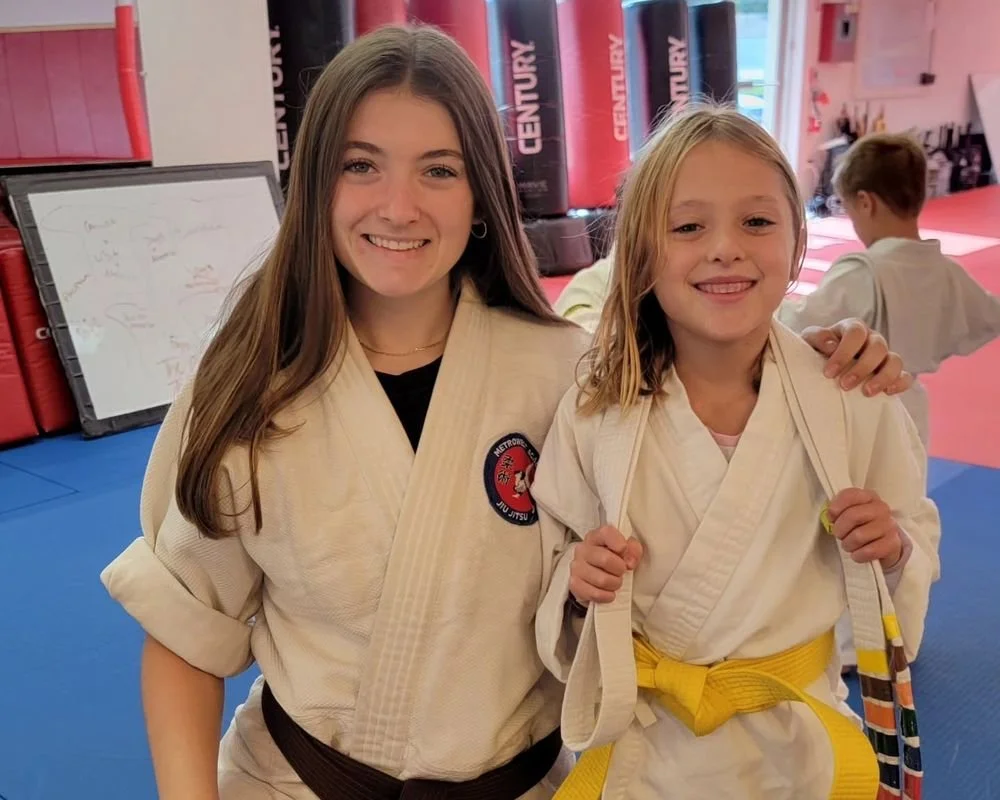
Mentor
The most experienced leaders in the building. Mentors guide newer Leadership students, help run classes across every program, and carry the kind of responsibility a first boss would recognize.
The Curriculum
What they actually study
Servant Leadership
Bushido, and the idea that leading means going first and taking the least.
Active Listening
Students practice listening closely enough to understand what someone is saying before they respond.
Growth Mindset
Carol Dweck's research on the word "yet," and why effort beats talent.
Emotional Intelligence
Reading the room. Knowing what you feel, and what everyone else is feeling too.
Teaching Skills
How people learn, how to break a skill into pieces, and how to correct someone without deflating them.
Ownership
Taking responsibility for a result before anyone asks you to.
Plus grit, psychological safety, communication, culture, self-talk, and the Japanese concepts of zanshin, mushin, and fudoshin. One topic a week, every week, for a year.
The Material
The same program, three levels deep
One page from each level, side by side. The first teaches a young coach to follow the rules without being reminded. The last has them working through Duckworth's research on perseverance. Same program. That's the distance a student covers here.
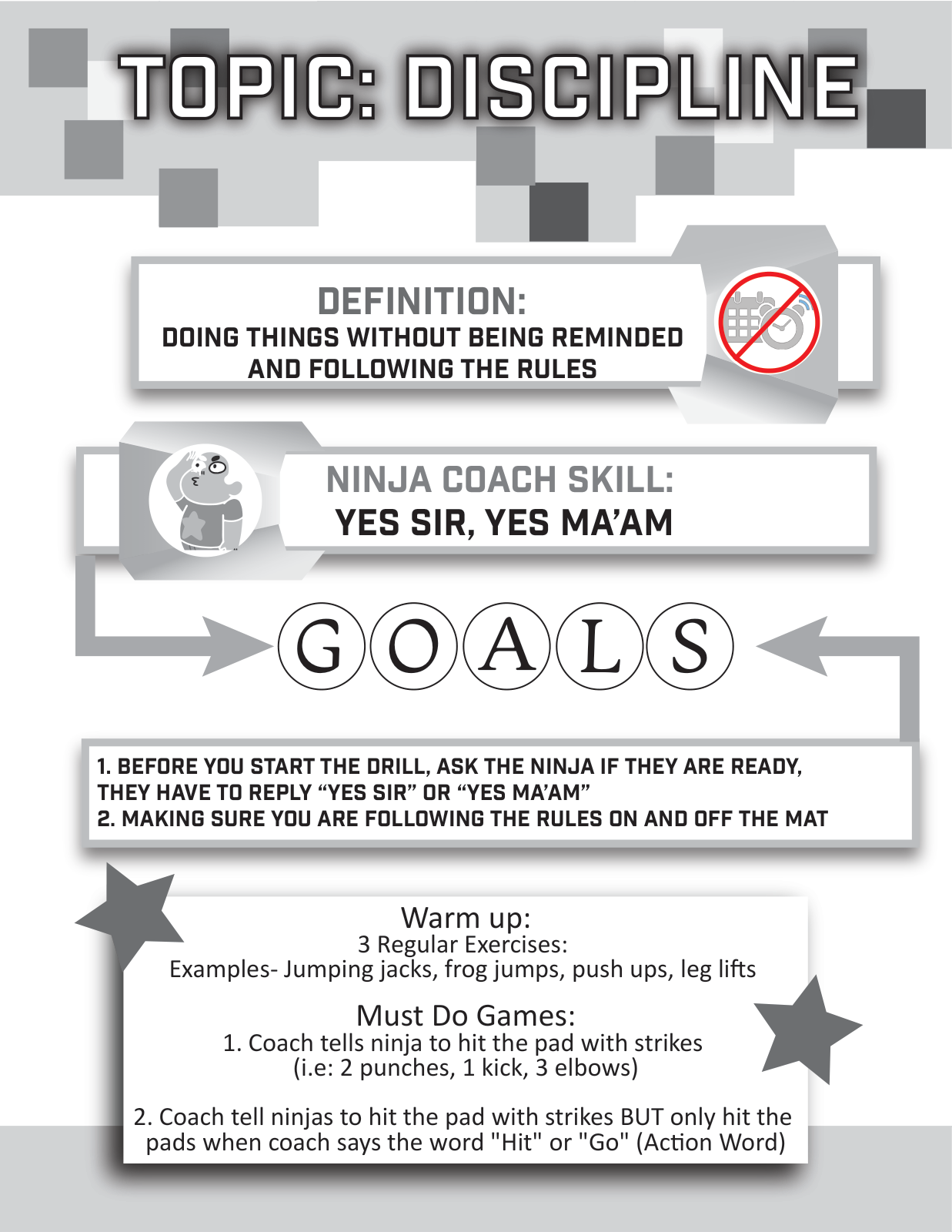

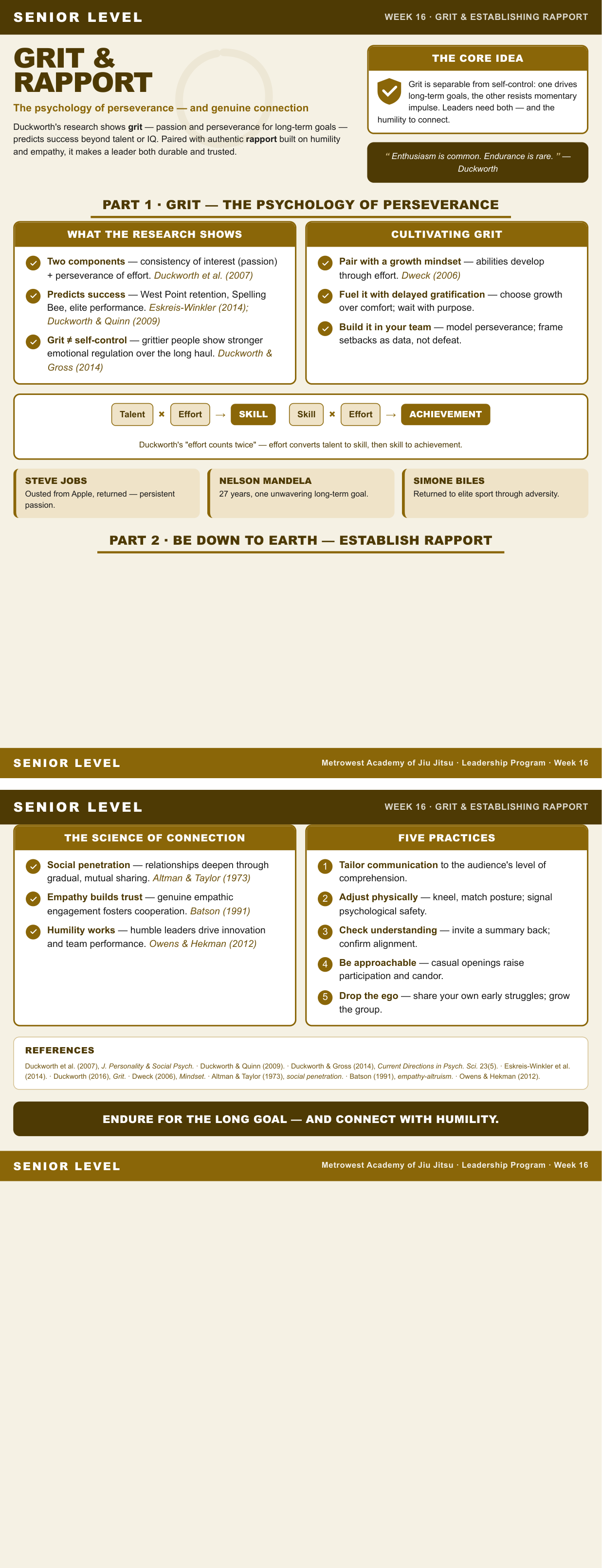
Tap any sheet to read it full size. These are real pages from the program, not samples made for this website.
Why It Matters
The part parents ask about later.
Nobody enrolls a seven-year-old thinking about leadership. They enroll them for confidence, or focus, or because a friend goes, or because of something that happened at school.
Then a few years pass, and the question changes. Where does this actually go?
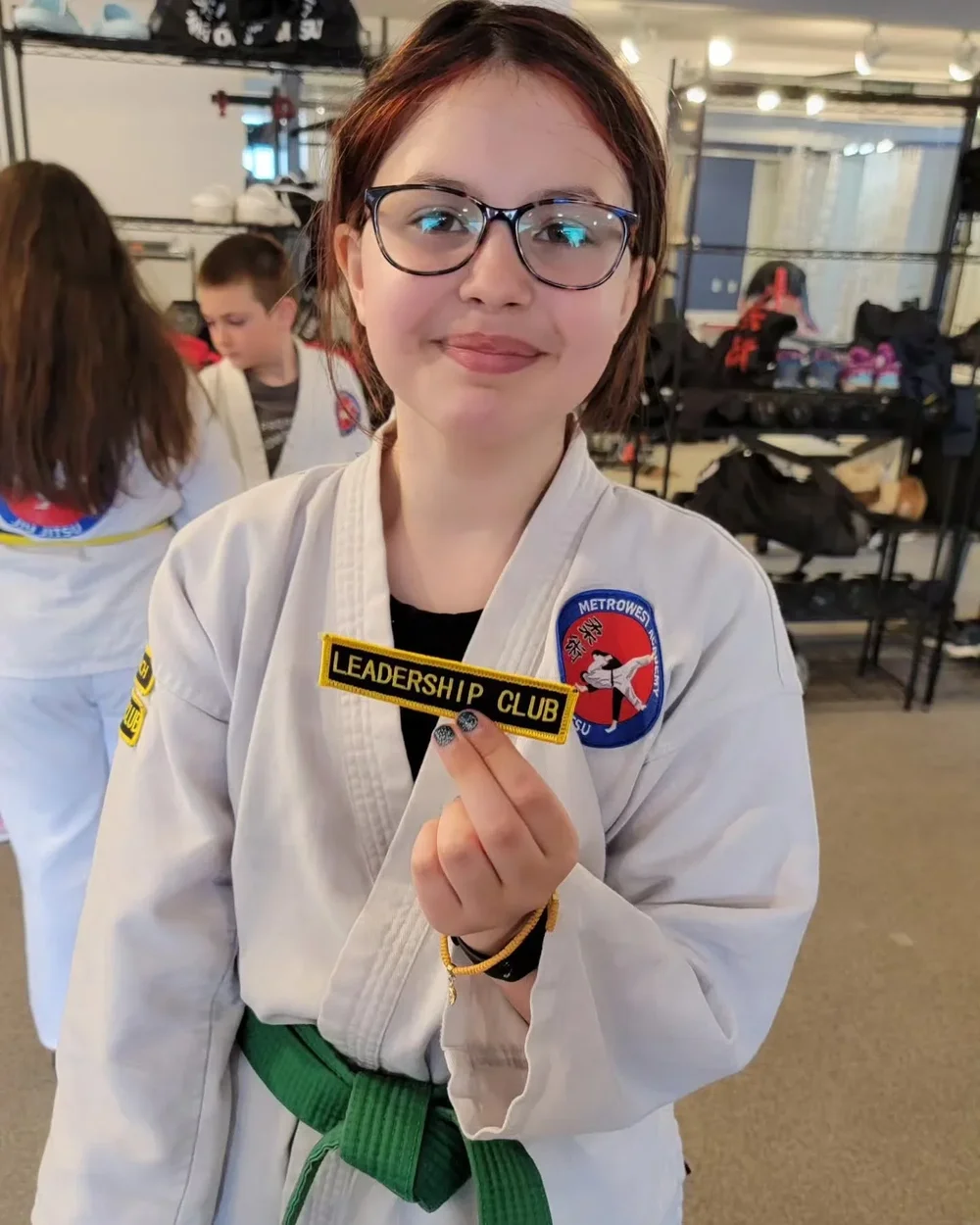
Leadership students practice more than jiu jitsu. Helping with a class gives them experience speaking to a group, explaining a skill, offering feedback, and supporting younger students.
Those transfer to school, to a first job, and to every team they ever join.
How Students Get In
They earn their way in.
Students become eligible after training with us long enough to build a strong foundation. From there, we talk with them about whether they are ready to take on the work and responsibility.
Your child doesn't need to be the most talented kid on the mat. They need to keep showing up and be someone the younger students can look at. If that sounds like where they're headed, talk to me and I'll tell you exactly where they stand.
Every leader here started as a beginner.
The first step is one free class.